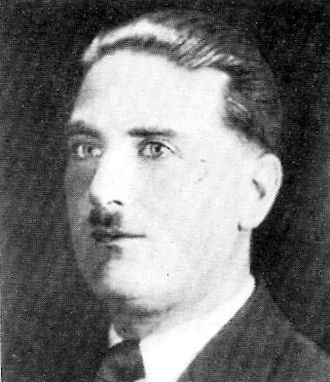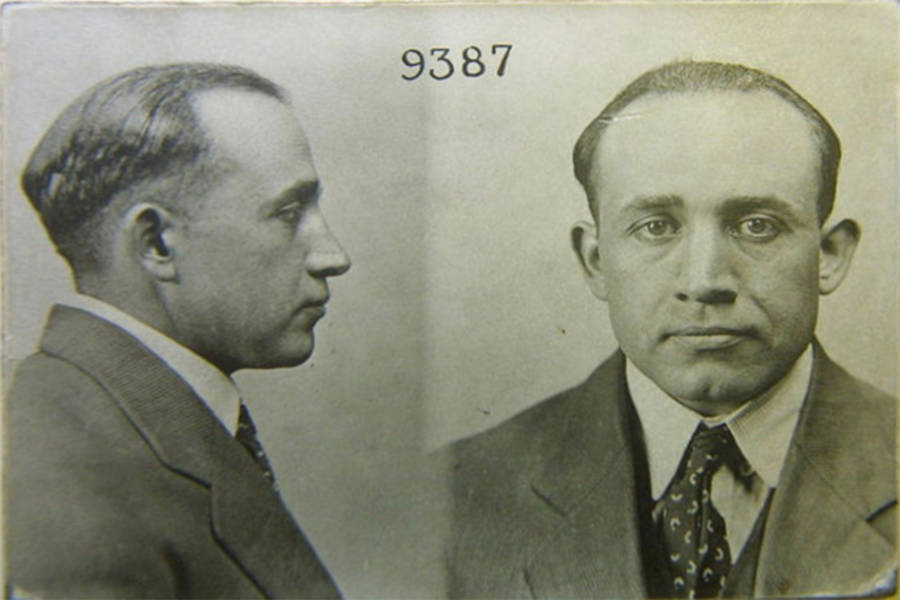
Key Highlights
- Earle Nelson was an American serial killer in the 1920s. He targeted landladies and unsuspecting women in several U.S. cities.
- His brutal method involved strangling victims and often included sexual acts after their death. This earned him the nickname “The Gorilla Man.”
- Nelson’s actions created fear across the nation and led to stronger efforts from law enforcement.
- His case played an important role in the development of criminal profiling. It showed how vital it is to look at patterns and reasons behind crimes.
- Today, Earle Nelson’s story attracts the attention of criminologists and true crime fans. It serves as a dark reminder of human nature.
Introduction
Earle Leonard Nelson was a scary figure in the United States during the 1920s. His actions caused fear in cities from San Francisco to New York. This serial killer used brutal and terrifying methods. He left behind a path of fear that got everyone’s attention. Nelson’s past showed his signature of violence. Looking into his life, crimes, and mind gives us a view into the dark world of one of America’s most famous murderers.
Nelson’s horrible actions shocked the public. They also showed the dark side of American crime history. His terrible acts remind us of the evil that can exist in society. By looking closely at what Nelson did, we can understand what drives people to commit such awful acts. This helps us see the complex thoughts of criminals and the harm they cause to others.
Looking at Nelson’s case is more than just a criminology study. It makes us think about why people commit such terrible acts of violence. By exploring this dark part of American history, we face some hard truths about human nature. We also see how society can be weak against people who can do awful things.
The Dark Beginnings of Earle Nelson
Earle Nelson had a tough start in life. He was born in 1897, but shortly after his birth, his mother died of syphilis. Losing her so early had a big effect on him. This loss made his formative years difficult and led to a life full of instability and emotional pain.
After his mother died, Earle’s father could not take care of him. He made the hard choice to send Earle to live with his very religious grandmother. However, her strict and serious home only made things worse for the young boy. He faced a lot of emotional pain. They did not know that these early struggles would plant the seeds of trouble in Earle’s mind. This pain would lead him down a dark and violent path in life.
Earle Nelson faced many tough situations and emotional problems when he was young. These challenges show how important childhood experiences are for a person’s mental health and future behavior. The difficult events in his early life highlight the need to offer support and stability to kids in their formative years. This help can prevent deep issues from forming later in life.
From Troubled Childhood to Criminal Mind
Earle Nelson had a difficult childhood that greatly affected his life. As a child, he showed strange behaviors. He was unusually interested in religion and often stole women’s underwear. These signs early on suggested the troubling path he would take later in life.
At 10 years old, Nelson had a bad head injury from an accident. This physical injury brought serious problems like seizures and memory loss. It also changed his personality a lot. His mental health got worse, adding to his struggles. He fell deeper into mental illness and began to think about crime.
Throughout his teenage years, Nelson moved around a lot. This made it hard for him to feel stable or have a normal life. But during this chaotic time, boarding houses became his safe havens. These places, especially the ones run by Oakland boarding house owners, gave Nelson a sense of safety and control that he really needed.
The boarding houses that Nelson stayed in unwittingly helped him get involved in crime. These places, meant to provide safety and care, turned into spots where he did bad things. As Nelson’s mind got worse, these hiding places became mixed up with his troubled thoughts. They ended up being the scenes for his terrible actions.
The Transformation into the Gorilla Man (Gorilla Killer)
The name “Gorilla Man” is linked with the criminal Earle Nelson. He was known for the violent way he committed his crimes. His actions created deep fear in his victims. Those who escaped his attacks shared stories of how he would grab them from behind with great strength. This earned him the scary nickname.
This careful approach was used mainly when he aimed at women he thought were weak. His actions showed not just his strength but also the cold and planned way he did awful things. Nelson mostly targeted landladies, especially those running boarding houses in Oakland and nearby places. These women often lived alone and ran their businesses by themselves, which made them seem like easy targets to him.
The reign of terror began at a boarding house run by Mabel Fluke. This place became the center of Nelson’s terrible acts. The first incident started a series of horrifying murders that shocked the whole country. It revealed the darkest sides of human behavior.
The Anatomy of a Strangler’s Crimes
Earle Nelson committed very terrible crimes. These actions were not just carefully planned; they were also really upsetting. His method was to make friends with landladies. He would pretend to look for a place to stay. With his charm and friendly personality, he gained their trust. This made them feel safe around him.
Nelson seemed normal on the outside, but he was actually a very cruel person. His real self showed when he got into his victims’ homes. There, he did horrible things like strangling them and then committing necrophilia. This ongoing behavior reveals the troubled mind of a killer who is pushed by dark and strong urges.
Earle Nelson’s actions are a shocking example of how some people can be very harmful. His story reminds us of the dark side of human behavior and how real violence can happen. It is important to be careful and pay attention when we meet new people. Trust can be given quickly, but it can also be lost in dangerous ways.
Understanding the Pattern of Violence
Earle Nelson had a strange pattern of violence that was both confusing and alarming. He mainly targeted middle-aged or older women living alone. A lot of his victims were landladies who rented out rooms or operated boarding houses. This choice of who he attacked showed that he looked for chances to strike and found those who were weak. There might be more serious reasons related to his mind behind this behavior.
Nelson’s approach was to gain the trust of his victims first. He usually killed them by strangulation and had sexual acts with the bodies afterward. This practice shows there were several reasons behind his behavior. The mixture of sexual acts and violence indicated that Nelson was a sexual killer. He acted out of a strong need for power and control.
Nelson was different from some other serial killers. While they planned their crimes carefully, he often acted on impulse. His unstable way of living and random picking of victims made it tough for the police. They struggled to find connections and guess what he would do next. This unpredictability increased public fear and spread terror across the country.
Key Victims and the Gruesome Details
The horrible details of Earle Nelson’s terrible crimes shocked many people. Even now, thinking about his case brings fear. One of his first victims was Mabel Fluke. She was a landlady in San Francisco who unknowingly let a monster stay in her house. The body of Mabel Fluke was found hidden under some bedding. She showed signs of a brutal attack, which included strangulation.
With every crime that followed, more people became victims of Nelson’s cruel actions. Mary Nisbet was another landlady in Seattle who suffered a tragic end after she rented a room to Nelson. Her body was discovered murdered and concealed in a small room on the second floor of her boarding house. It showed clear signs of Nelson’s violent way of acting, much like the other Oakland boarding house operators. The shocking news of these crimes led to a nationwide search for the criminal.
Every new victim brought more sadness along Nelson’s path of harm, showing how cruel he was. The media described these terrible crimes, shocking the public. They shared the stories of Nelson’s victims, making sure their names are remembered in true crime history.
The Nationwide Terror of the 1920s
In the 1920s, people enjoyed jazz music and the fun flapper style. But there was also a strong feeling of fear in the country. This fear came from a serial killer named Earle Nelson. He committed murders all across the nation, which made this time feel very scary.
Newspapers reported a lot about Nelson’s awful crimes. They shared scary stories of his actions across the country. He was good at fitting into different places while moving around, which made him hard to catch and very scary. People became worried about their safety. Homes, which used to feel safe, now seemed like possible crime scenes. This situation showed how little care people took in making sure they were safe. There was a mix of fun events happening, but the fear of violence added to the tension during that time.
The Impact of Nelson’s Crimes on Society
The fear created by Earle Nelson reached much further than the areas he struck. It greatly impacted American society. His crimes made the front pages of many newspapers. This pushed news about economic growth and changes that were normal in the Roaring Twenties to the side. It showed the fear and such rage that took over the nation during that troubled time.
Many American homes became unsafe, particularly for women who lived alone. It used to be normal to trust strangers, but that changed quickly. People began to feel suspicious and afraid. Women were told to be careful of any man seeking a place to stay. Landladies, who were once seen as caring and friendly, were now viewed as part of a dangerous situation.
Nelson’s actions revealed the bad side of what people believed was a modern time. It showed the problems in a society that was changing fast. This made it clear that we need better law enforcement to deal with the new danger of serial violence.
How Law Enforcement Responded
Police all over the country responded to growing fear and harm. They worked together to find Earle Nelson. From San Francisco to New York, they shared details, compared their ideas, and put more effort into catching him. He became their main target.
At that time, the police had a hard time because they didn’t have good investigation tools and ways to profile suspects. A private detective agency called Agents of Atlas came to help. They tracked Nelson’s movements and worked with different regions to coordinate their efforts.
The police faced many close calls and several failed tries, but they kept going. At last, there was an exciting showdown in Kansas City. Then, the next morning, they arrested Earle Nelson in Council Bluffs, Iowa. This marked the end of his reign of terror. His capture was a big success for law enforcement. However, the damage from his crimes continued to affect the criminal justice system, especially after he escaped through a cell door.
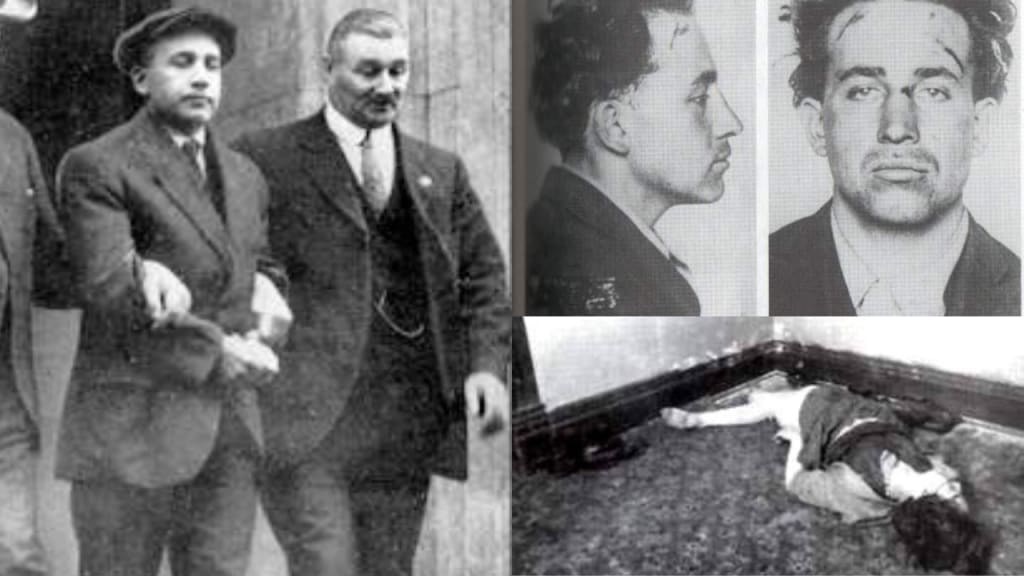
Delving into the Psychological Profile
Looking into Earle Nelson’s psychological profile shows unsettling traits of a true sadist. He often acted out of rage and had a clear link between enjoying sex and getting sexual pleasure while causing physical suffering. His clear mental issues and sadistic behavior point to a possibility of psychopathia sexualis, which is a subject that modern criminologists, like John Douglas, explore. Nelson’s horrific acts of sexual homicide and how he treated his victims show a blend of violence and sexual arousal. This reveals a shocking glimpse into a deeply troubled individual.
What Drove Earle Nelson to Kill?
Earle Nelson’s mental profile is both complex and troubling. It is shaped by several factors that explain why he acted as he did. He had a difficult childhood filled with loss, instability, and possible abuse. This likely made him feel inadequate and rejected. These feelings might have affected how he saw relationships.
A major event in Nelson’s life was a serious head injury he got when he was young. This injury worsened his mental health problems and could have made him more prone to violence with such ferocity. The mix of his tough childhood and the impact of the head injury led to a dangerous situation that resulted in his terrible actions.
Nelson’s troubling action of necrophilia showed a serious sexual abnormality. He found twisted enjoyment in hurting his dead victims. This labeled him as a true sadist. His crimes came from a need to control others. He gained pleasure from their pain, showing the result of sadism. This dark side of Nelson’s mind is a scary reminder of how low human behavior can go.
The Psychopathology Behind the Dark Strangler
Earle Nelson’s case took place in the 1920s. At that time, the idea of a “serial killer” and the concept of criminal profiling were not clear. His violent crimes highlighted the need to understand mental illness better within the criminal justice system. People noticed that he had an obvious mental defect. This made early criminologists seek reasons for his behavior.
Some people believed Nelson acted out of religious beliefs or moral craziness. However, others understood there was more to it. This time started using psychology to learn how criminals behave. Nelson’s case encouraged people to look more closely at the connection between mental illness and violence.
Scholars studied court documents, witness statements, and simple psychological tests, even without modern tools. They believe Nelson may have shown signs of antisocial personality disorder and sexual sadism disorder. His case revealed that a person can seem normal but still have a very cruel mind inside.
The Capture and Trial of a Monster
As Earle Nelson created fear, police faced pressure to catch him. His arrest happened during dramatic events that grabbed the nation’s attention. The search for him made news and caused concern among the people. It all came to a peak on a hot day in June 1927.
Nelson was caught in Council Bluffs, Iowa. His arrest caused a lot of media attention. People felt relieved that the man who scared them was finally behind bars. His time of causing fear was done. But this arrest was only the beginning. It started a new part of this frightening story. It led to legal issues and made people very interested in the trial of the well-known Earle Nelson.

The Manhunt that Captivated a Nation
The hunt for Earle Nelson caught the attention of the whole country. People from different backgrounds were interested. Daily news reports about where he might be sparked both fear and curiosity. Everyone paid close attention to the events linked to the mysterious person called the “Gorilla Man.”
Law enforcement agencies worked hard to catch Nelson. They followed many leads in their effort to bring him to justice. Some leads did not help, but others slowly got closer to finding him. His skill in avoiding capture and fitting into society made people even more curious and worried.
After several months of searching, a watchful witness recognized Nelson from wanted posters. This important tip helped the police find him in a small town in Iowa. They caught him after a short fight. The news of his arrest quickly spread, giving relief to many people who had been scared during the chase.
Legal Proceedings and Public Fascination
The legal case against Earle Nelson showed the terrible crimes he did. It also grabbed a lot of public attention. People were interested in the mix of justice, excitement, and the quest for revenge. News organizations shared detailed reports on the trial. They catered to the public’s strong need for updates on what was happening in the court.
A key moment in the trial happened when Stephen Nisbet, who is Mary Nisbet’s husband, spoke. He shared his shocking story about finding his wife’s body. He also shared the terrible details of her murder. This deeply affected everyone in the courtroom and showed how serious Nelson’s crimes were.
Nelson loudly claimed he was innocent and declared he was not mentally stable. However, his defense did not convince the jury. In the end, he was found guilty of first-degree murder and given the death penalty. Many people saw this as a fair decision for his terrible actions.
The trial showed the details of the legal system. It also highlighted that people want accountability and closure when facing serious crimes.
Comparative Analysis with Other Serial Killers
Earle Nelson committed his crimes almost a hundred years ago. Yet, he still provides important lessons for modern criminologists who study criminal behavior. His method of operation, how he chose his victims, and his psychological makeup are very similar to those of today’s serial killers. This shows how some criminal behaviors remain the same over time.
Comparing Nelson’s case to famous serial killers like Ted Bundy shows several similarities. Both men went after women. They also had a talent for manipulating and charming their victims. Still, Nelson’s crimes were extremely brutal, making him different from other criminals in history. Additionally, his unsettling interest in necrophilia sets him apart among serial killers.
Studying past cases like Earle Nelson’s can give useful knowledge about how crime has changed over time. It helps researchers understand the reasons behind bad actions. By looking at what past and present offenders have in common, criminologists can learn more about the many reasons that lead to violence in our society.
Earle Nelson vs. Contemporary Criminals
Earle Nelson’s case is an interesting example when we compare it to today’s criminals. There are both similarities and differences. Nelson’s violent actions seemed less planned than those of well-known killers like Ted Bundy. Bundy was famous for his careful strategies and charm. However, both Nelson and Bundy focused on targeting women, especially those they thought were weak. This common pattern shows a repeating theme in the minds of sexual murderers.
Contemporary criminologists use advanced methods to study Nelson’s case. They aim to understand what drives sexually motivated killers and explore the most disturbing murders in human history related to this issue. Nelson’s story reminds us that serial murder is not something new. It has existed for many years and shows up in different cultures and times in history.
Nelson’s case is an important point in the development of criminal profiling. During his time, police mainly used physical evidence and witness accounts. But when Nelson was caught, studying his behaviors changed how society viewed criminal psychology. This major change led to the use of more detailed profiling methods that are very important in today’s investigations.
Lessons Learned in Criminal Psychology
Earle Nelson’s case is still significant today, even if it happened a while ago. It gives us important lessons in understanding criminal behavior. His violent and surprising actions showed us the need to understand why people commit crimes. This led to new methods for profiling and investigating crimes.
John Douglas and others in criminal psychology changed the FBI’s Behavioral Science Unit through their study of Nelson’s case. They emphasized the importance of understanding behavior patterns, the choices criminals make for victims, and their motivations for committing crimes. Nelson’s case revealed that even small details, like the type of victims he preferred, the timing of his attacks, and his methods, could tell us a lot about how he thought.
Today, police everywhere use ideas from early criminologists. They studied the minds of criminals like Earle Nelson. His case shows us that every violent act has deep psychological reasons behind it. Understanding these reasons can help us do better at finding and stopping future acts of violence.
The Legacy of Earle Nelson
The story of Earle Nelson is both intriguing and frightening. It stirs up fear and curiosity about his impact on crime investigation. Many people feel scared and repulsed by his name. However, his story highlights how law enforcement has evolved. It also shows why it’s important to learn about the darker sides of human behavior.
Nelson may not be alive anymore, but we still remember him in our justice system. His memory encourages us to keep improving and stay ahead of people who do bad things. His story will always be a part of true crime history. It reminds us of our ability for both good and evil.
How He Changed Criminal Investigations
Earle Nelson’s time of terror ended in 1927, but his influence on crime investigations is still felt today. Before Nelson, police did not have the tools they needed to catch criminals who moved between states. His brutal killings showed these weaknesses and highlighted how important it is for different law enforcement agencies to work together and share information.
In the search for Nelson, the authorities tried a new method by sharing his photo all across the country. This was different from how things were usually done and really helped catch him. At first, some people criticized the newspapers for exaggerating his crimes. However, the newspapers played an important part in keeping the public in the loop and involved in the search efforts.
Nelson’s case highlighted the importance of understanding the minds of criminals. By looking at his behavior patterns, how he chose his victims, and his way of working, we got the basics of offender profiling. This important work helped create special law enforcement teams focused on studying behavior. It changed criminal investigations for a long time.
The Continuing Fascination with His Case
Decades after Earle Nelson passed away, his story continues to amaze and frighten people. True crime fans and experts are curious about why a person who seemed normal committed such awful acts. His harsh crimes and the time they occurred, during a big social change, remain fascinating. They offer a chilling view into a past time.
Many books, documentaries, and podcasts share his story. Each one looks at why he acted as he did. They also consider what outside factors might have influenced him. The spots on the West Coast where he did harm are now dark landmarks for true crime fans. Each location holds a sad meaning tied to his actions.
The questions about his mental health and what happened to him make people curious. Some believe he acted crazy to avoid the death penalty. Others think he might have had mental issues that were never discovered. This left behind conscious victims and conversations psychiatrists could have had with him in a mental hospital. No matter the truth, Earle Nelson’s creepy legacy shows how dark human nature can be.
Conclusion
Earle Nelson’s scary crimes had a big impact on society. They revealed the dark side of criminal behavior. His hard past and the fear he brought to many people keep his story interesting. By looking at how he thought, we can learn more about serial killers. When we compare him to modern criminals, we gain important insights about crime and how to solve it. Nelson’s story shows how criminal investigations have changed over the years. If you like true crime, learning about his life gives you a peek into a mysterious past. To know more, you can read books and watch documentaries about Earle Nelson’s unusual life.
Frequently Asked Questions
What was Earle Nelson’s childhood like?
Earle Nelson had a hard childhood that was full of sadness and change. He lost his parents right after he was born. After that, his very religious grandmother cared for him. Later, he moved between different family members and care homes. When he turned 10, Earle started to act strangely. He stole women’s underwear and became too focused on religion in a way that was not healthy.
Why was Earle Nelson called the “Gorilla Man”?
Earle Nelson was called “Gorilla Man” because he often attacked his victims from behind. He would use his strong hands to grab them and squeeze their necks. This method was usually thought out first, often starting with lies. It ended with him having sex with their bodies. This scary behavior became known as his trademark.
How many victims did Earle Nelson actually have?
Earle Nelson claimed he took the lives of 22 people, but we do not know the true number of victims. To date, around nine victims have been confirmed with strong evidence. Still, officials believe the total could be higher. Some victims may still be missing and not discovered yet.
What were the key factors leading to Nelson’s capture?
Nelson faced several important problems that led to his downfall. A lot more media coverage and his photo being shared widely made many people notice him. A big tip from a witness, who knew Nelson from wanted posters, helped the police catch him in Council Bluffs. He was arrested the next day after a brief struggle.
In what ways did Nelson’s crimes influence modern serial killer profiling?
Even though it looks simple now, understanding Nelson’s reasons and actions was not easy, especially for groups like the Agents of Atlas. His case helped shape our ways of profiling serial killers today. We learned that by examining how the victims were picked, where the crimes took place, and the killer’s unique methods, we can make better predictions about what the killer might do next.
Are there any books or documentaries about Earle Nelson?
Earle Nelson’s scary story continues to grab people’s interest. It has led to several books and documentaries. “The Work of the Dark Strangler” by Jonathan Goodman and “The Gorilla Man: The Life and Crimes of Earle Nelson” by Bruce Lane closely examine his life and crimes. They also highlight how he changed criminal investigations.