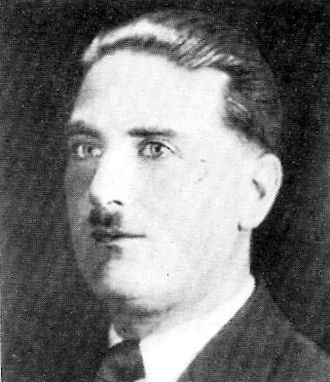
Key Highlights
- John Norman Collins was called “The Michigan Murderer” in Ann Arbor from 1967 to 1969.
- He killed seven young women, most of whom were connected to Eastern Michigan University.
- The victims’ bodies were discovered in shocking positions, often unclothed, with signs of sexual assault.
- Collins was caught because of his connection to the victims, physical evidence, and unusual behavior.
- This case changed how forensic science and police work were done in Michigan.
Introduction
In the late 1960s, Ann Arbor, Michigan, had a scary time. A series of terrible murders known as “The Michigan Murders” spread fear among the people. A young man named John Norman looked normal, but he was revealed to be a cruel serial killer. A Dutch psychic named Peter Hurkos was called in to help find clues about the case.
John Norman did awful things that frightened the quiet town. The people feel scared and confused now. They know that bad things can hide where you least expect them. He planned his murders carefully. This showed that he was a dangerous person living among them, picking his victims without them knowing.
The story of “The Michigan Murders” reminds us how easily safety can be shaken. It shows that we must stay aware of the darker parts of human nature. The hurt caused by John Norman still impacts the people of Ann Arbor. This situation shows why communities need to work together in hard times. We should seek justice and healing for all.
Early Life of John Norman Collins
John Norman Collins was born in 1947. At first, he had a normal childhood. But some events hinted at a darker side. These early experiences were key in shaping his ideas. They also had a big role in the awful crimes he committed later.
Looking at Collins’ early years can help us see what made him turn into a serial killer. These early experiences show us more about why he chose such a dark path. By looking into his childhood and life before his crimes, we can understand the unhappy journey that led to his violent actions better.
Background and upbringing in Michigan
John Norman Collins was raised in Center Line, Michigan. Not much is known about his family and childhood. This might be due to the long time that has gone by and the shocking nature of his crimes. Some sources say he had a regular upbringing. This has left the community wondering how a person with a seemingly “normal” start could end up committing such terrible acts.
Collins grew up in the suburbs of Detroit. His childhood appeared normal. At that time, there were no clear signs of the challenges he would face later in life. However, it is important to understand the situation that caused his decline. It is tough to find just one reason for his change. Yet, by looking at his early years in Michigan, we can understand part of this complex story.
The big difference between his regular life in Michigan and his awful crimes shows that evil can be hidden. It reminds us that dark things can grow in the places we least think.
Education and behavior during early years
Collins attended Eastern Michigan University. He appeared to be a typical college student pursuing a degree in elementary education. He blended in well with his classmates and did not show any obvious signs of trouble. However, if you looked closely, you could start to notice some concerning behaviors.
Classmates and those who met him later said he was quiet and shy. Sometimes, though, he would suddenly get angry. This unusual behavior worried some people but did not feel like a serious problem at the time. It was only after his crimes were found out that these early signs became a big deal.
Looking back, these events reveal that they may show a troubled mind. However, they also show how difficult it is to notice possible dangers. People often have a hard time spotting the small signs of someone who might become a predator.
Timeline of the Michigan Murders
The killings related to John Norman Collins began in 1967. This led to a long period of fear in the Ann Arbor area. Most of the victims were young women from Eastern Michigan University. Their bodies were often found partly undressed and arranged in disturbing ways. They showed clear signs of his brutal actions.
Each murder caused more fear. It also led to many investigations. The police worked hard to connect the clues. They looked for a pattern. This pattern could help them catch the person behind these awful crimes.
The beginning: First known victim
The reign of terror started when Mary Fleszar was violently killed. Mary was an 18-year-old who lived in Ypsilanti. Her murder was the first in this disturbing series of events. The community was stunned when she disappeared in July 1967. This event led to many other frightening coed murders. Sadly, her body was discovered on August 7, 1967. It had obvious signs of violence.
The awful murder of Maralynn Skelton shook the Ann Arbor community. They found her body in a disturbing way, lying over a log outside. This left many people feeling uneasy. The calm feeling of Ann Arbor was lost. Residents now had a scary thought that danger could be close by. It was a clear reminder that they needed a missing persons report.
Mary Fleszar’s sad death began a tough time. The police encountered a crime that was very brutal. They understood they were dealing with several crimes. This started a desperate search for the criminal. Their reasons were not clear, and what they did scared everyone around.
Patterns emerge: Subsequent victims
The killings in Ann Arbor brought a lot of fear to the local community. The victims were mostly young women and students from Eastern Michigan University. They went missing for unknown reasons. Later, they were found in very disturbing conditions.
The criminal’s actions showed a worrying pattern. There was much violence and a cruel desire to humiliate the victims. Sheriff Harvey noted that the way the bodies were left in clear places seemed like a daring challenge to the police. This increased fear in the city. Even with their hard work to catch him, he was able to avoid being arrested.
The repeated patterns in these awful crimes showed that one person was responsible for them. The dedication of the police showed their commitment to find a clear connection between the cases. Each new piece of information made them more determined to catch the person who brought fear and hurt to Ann Arbor with his bad actions.
The final murder: A turning point
The murder of Karen Sue Beineman in August 1969 was very important for the fear felt in Wayne County and around it. When her body was discovered near the Huron River, everyone was surprised. She was the last victim in a series of similar cases. A parking ticket found close to her body changed how the police worked on the case.
This vital clue helped detectives find out that John Norman Collins was responsible for these horrible crimes. A parking ticket linked him directly to the events, shattering the false image of a normal life he had built. Once he was arrested, his violent actions ceased, bringing some peace to the families of the victims.
The Beineman case shows how critical it is to notice small details in criminal investigations. A small piece of evidence can change everything in solving a case. This case also highlights the hard work of law enforcement. They stay strong and focused to bring justice to victims and hold the guilty responsible for their actions.
Investigation Breakthroughs
The Michigan Murders were a big challenge for the police. They had a clever and tricky suspect to catch. Every day increased the pressure and made the need for answers more urgent. The investigation faced many issues, and hopes sometimes fell. Then, everything changed fast with several key breakthroughs.
Investigators put in a lot of effort from the first crime scene to the last event. They collected evidence with care, putting together the puzzle bit by bit. Their dedication and commitment to finding who was responsible showed results. They made good progress in solving the mystery and eventually narrowed it down to the main suspect.
As the investigation continued, forensic techniques, witness accounts, and new tools played a key role in understanding the complex events that confused the authorities for a long time. The dedication of law enforcement and their teamwork brought a significant breakthrough in the case that captured the entire country’s interest.
Key evidence leading to a suspect
As the police looked deeper into the murders, they found one name kept appearing: John Norman Collins. He seemed like an ordinary student at Eastern Michigan University. But he was connected to several of the victims. This connection, made the Ann Arbor Police Department worried.
The parking ticket that was found near Beineman’s body pointed to Collins’ uncle’s car. Collins could drive this car any time he wanted. This connection, plus witness reports saying he was close to the crime scenes, made him the prime suspect. The situation was becoming more serious for him.
Further checks revealed a bad pattern. Collins was very focused on young women. He had a short temper and a history of harming women. This gave a frightening picture. The increasing evidence against him was hard to ignore.
Role of forensic science in the case
Forensic science played a key role in achieving justice for the victims of the Michigan Murders. During the late 1960s, forensics was still developing. However, it helped link Collins to the crimes. The evidence did not serve as a direct connection, but it built a strong case when combined with witness statements and Collins’ unusual behavior.
Hair and fiber analysis linked Collins to several crime scenes. This showed he was present at the murder locations. The scientific methods used back then were not as advanced as today’s. However, they gave key evidence that made the case against him stronger.
The Michigan Murders changed the way forensic science is used in criminal cases. This case highlighted the importance of scientific analysis in solving crimes. It brought major improvements in the field and proved that forensic science is a critical tool for law enforcement.
The Arrest of John Norman Collins
On August 7, 1969, news spread quickly in Ann Arbor. John Collins was arrested for the murder of Karen Sue Beineman. A Michigan State Trooper gave a tip that helped police catch him. This arrest followed many hours of hard work by investigators. It brought relief and a feeling of justice to many who had been waiting for this moment.
Collins always said he was innocent. Now, he was in big legal trouble. His arrest ended the fear in Ann Arbor. This gave some peace to the sad community.
How Collins was caught
Michigan State Police found Collins at a boarding house in Ypsilanti. They received a tip about his location. When they arrived, he was packing his things. His quick attempt to run made the police think he was guilty.
Investigators found several surprising items belonging to women during a home search. The items included jewelry and clothing. These unsettling discoveries were linked to different victims. They provided evidence of his crimes and made the case against him even stronger.
The arrest of John Norman Collins brought a hard and emotional investigation to a close. The evidence that was collected and analyzed proved he was guilty. The people in Ann Arbor could finally feel relieved, knowing the nightmare was over.
Public reaction to the arrest
The news of Collins’ arrest spread fast in Ann Arbor. Many people felt relieved, but some were still mad. The community had been scared and unsure for two years. Now, they finally got some answers. This arrest was the top story in the Ann Arbor News and appeared in several headlines. It started talks all over the city.
The feeling of relief was strong. Still, there was also deep sadness for the victims and their families. People understood that a normal young man, living near them, could do such awful things. This idea shook the community. It changed how safe they felt, and that feeling will last forever.
The arrest caused a huge buzz in the media. Reporters went to Ann Arbor, eager to cover the story. The tale of the murders, the investigation, and Collins’ arrest became popular across the nation. It caught the eyes of people everywhere. Ann Arbor, once a quiet college town, is now tied to the tragic Michigan Murders.
Legal Proceedings
The legal case against John Norman Collins began when a grand jury officially charged him with the murder of Karen Sue Beineman. This trial became one of the most discussed events in Michigan’s history. It drew national attention, resulting in extensive media coverage and strong public interest.
The prosecution had plenty of evidence and built a strong case against Collins. Meanwhile, the defense put in effort to challenge the prosecution’s claims. They aimed to prove that there was no solid evidence linking their client to the crime.
The trial process
The trial began in a packed courtroom. You could feel the stress in the air as both sides told their stories. Witnesses took the stand to share what they knew about Collins and the victims. Arnold Davis provided key information about the events. Forensic experts also testified during the trial. Their words, along with those of attorney Richard Ryan, helped make the case stronger for the prosecution. They showed that hair and fibers matching Collins were found at the crime scene.
Collins claimed he was innocent during the trial. Many people thought he looked cold and distant. This did not help how others saw him. The prosecution put in a lot of effort to share their view. They described him as a clever yet evil person who wanted power and liked to hurt others.
The courtroom became a scene where facts and guesses battled. The prosecution and defense acted like players in a serious legal game. As the trial continued, it was harder to overlook the evidence against Collins.
Significant testimonies and defense strategy
One witness helped change the jury’s mind. P.J. Dalton is a cousin of one victim. She shared a frightening story about Collins. She said he gave her a ride soon after Beineman’s murder. But she got away when he acted aggressively.
The defense worked to make people question the prosecution’s case. They pointed out that there is no strong proof linking Collins to the murders. They claimed that the case against him relies on certain situations, mostly his connection to the victims and his unusual actions.
The defense worked hard to fight against the prosecution’s story. It was a difficult task. The solid evidence, along with the trustful statements from witnesses and Collins’ actions that created doubts, weakened their case.
The verdict and its aftermath
On August 19, 1970, the jury reached their decision. After some thought, they found John Norman Collins guilty of first-degree murder. The courtroom was packed with people and reporters. It was filled with shocked gasps and silent whispers. This verdict was a major victory for the prosecution and caused a buzz in the community.
Collins will spend his life in prison. He will not have the chance to get out. Many people feel this is a fair punishment. It helps the families of the victims feel a bit better. These families have dealt with pain and uncertainty for many years.
The crimes done by Collins affected more than just the courtroom. The Michigan Murders had a big effect on the people in Ann Arbor. This event changed how they feel about safety and shattered their sense of security.
Psychological Profile
Understanding why a serial killer behaves the way they do can be hard. Investigators and psychologists often find it challenging to understand the thoughts of such criminals. When they studied John Norman Collins, they discovered some worrying factors. These included possible problems in his childhood, hidden anger, and a strong desire to feel in control.
Many experts believe that a tough childhood experience, along with a complex relationship with his mother, played a big role in how his mind developed. These early events are often seen as reasons for him becoming a predator. They may have laid the foundation for his violent behavior.
Analyzing Collins’ psyche
Analyzing the mind of a serial killer like John Norman Collins is tricky. It usually brings up more questions than answers. Some experts believe his behavior came from deep insecurities and hidden anger. They think he really wanted to feel strong and have control, mainly over women.
His crimes were often very brutal. They showed he wanted to make women feel weak and embarrassed. Many people think he really disliked women. Some believe this dislike may have come from a troubled relationship with his mother. She was not emotionally warm, which might have made him feel angry without meaning to.
Collins shows he has serious problems and faces personal issues. Although we don’t know all the details about his mind, his acts of violence suggest this. The Michigan Murders show how dark thoughts can develop in a person. They make us aware of the real fears present in human nature.
Experts’ opinions on criminal behavior
Experts in criminal psychology have talked about why serial murders happen for many years. There isn’t one theory that explains these horrible acts. However, several ideas help us see how a criminal mind might develop. Some people believe that a combination of genes and negative experiences can cause violent behavior.
Some people think that what happens around us, like seeing violence or not getting the care we need as kids, matters a lot. In Collins’ case, experts believe that having a tough start in life and a shaky home life might be major reasons for these problems.
Research on serial killers, like John Norman Collins, is still ongoing, but we haven’t found clear answers yet. These studies can feel disturbing, but they help us learn about the darker parts of human nature. Understanding this could help us find ways to stop such behaviors and grasp why they occur.
Victims Remembered
The story of John Norman Collins is more than just the tragic deaths of several young women. It shows the deep sadness and pain of their families and friends. These women were not just numbers; they were vibrant individuals with their own dreams and plans for the future. Sadly, their lives ended too soon because of pointless acts of violence.
Their sudden deaths show how much terrible crimes can hurt families, friends, and communities. The sadness from their loss reminds us of the damage caused by violence. It’s important to value every moment we spend with the people we love.
In remembering these women, we should celebrate their lives and what they achieved. It is important to focus on the good things they did while they were alive. By thinking about their legacies instead of their sad endings, we can honor their strength and the positive effects they had on people around them.
Profiles of the victims
Mary Fleszar was the first victim. She was 18 years old and full of life. Everyone knew her for her laughter and kindness. Mary had just finished high school. She was excited to begin a new chapter of her life near the Eastern Michigan University student union. Joan Schell was another student at Eastern Michigan University. She loved art and music. Joan dreamed of becoming a teacher.
Each victim, such as Mary, Joan, and Karen, had their own unique qualities, dreams, and hopes. They were daughters, sisters, friends, and students. Their families and communities cared about them a lot. Losing them left a big empty void, changing the lives of all who knew them forever.
Their stories are connected to the bad actions of John Norman Collins. Yet, they show how strong our bonds with one another can be. This also reminds us to appreciate our moments with family and friends. Life is fragile, so we should never overlook it. These stories, though rooted in tragedy, serve as a somber reminder to hold our loved ones close and cherish the time we share. Exploring cases like these can also prompt us to reflect on other crimes and individuals like learning harvey miguel robinson father facts, which often unveil deeper complexities in human behavior. In doing so, we not only honor the victims but also strive to better understand the importance of empathy and resilience in our own lives.
Impact on the families and communities
The murders really impacted Ann Arbor and the surrounding areas. The sense of safety that people used to feel is gone for good. This caused a lasting fear and sadness that changed everyday life. The victims’ families experienced a heavy loss and feel it is very unfair.
The families came together because of their sadness. They found comfort by helping each other. Their strength showed, even during their pain. Community members gathered to give support during these tough times. Memorials were built, and vigils were held. The names of the victims will always be in the hearts of those affected by this tragedy.
The Michigan Murders show us how crucial it is for a community to unite in difficult times. The sorrow and deep need to honor the victims helped Ann Arbor heal. This highlights the strong spirit of people that lasts over time.
Media Coverage and Public Perception
The Michigan Murders caught the eye of the media and the entire country. Ann Arbor became a key location for reporters, including those from the Detroit News. The violent acts surprised many. A lengthy investigation occurred, leading to the arrest of John Norman Collins. This situation sparked a media frenzy that intrigued the public.
- Newspapers, TV stations, and radio channels covered the case a lot.
- They looked closely at each detail and shared expert opinions on Collins’ reasons and mental state.
- This strong media attention helped with information.
- However, it also worried some people about sensationalism.
- They were concerned about how it affected the families of the victims.
Media frenzy during the trial
The excitement from the media around the John Norman Collins trial increased a lot during the court sessions. Reporters and photographers outside the courthouse were eager to collect every detail of this case that grabbed the country’s attention. The courtroom felt like a stage. Every witness, piece of evidence, and legal discussion was presented to an audience that wanted to learn more.
The news coverage tried to give people the information they needed. But it also raised concerns about unfair reporting. Some worried that it might affect the legal process too much. The victims’ families became the main focus. They had to keep facing the painful loss of their loved ones because of how the media reported events.
The media coverage had some ethical problems, but it was still important. It helped shape how people thought about the case. The detailed reporting on the crimes and the trial ensured the victims’ stories would be remembered. Many people got to hear their stories.
How the case influenced public safety measures
The Michigan Murders had a big impact on communities across the country. They made it clear that even safe places, like college towns, can experience violent crime. This case helped raise awareness about personal safety. It pushed people and schools to take steps to prevent these kinds of tragedies from happening again.
Eastern Michigan University, affected by the decrease in its students, put effort into making the campus safer. They added more police patrols. They also improved the lighting and began safety escorts. This made the campus feel more secure for students and staff.
The case highlighted why it is vital for the community to be aware and help keep everyone safe. Neighborhood watch programs gained popularity. These programs motivated people to report any strange behavior and cooperate with the police to prevent crimes. The Michigan Murders remind us that safety is a shared responsibility. We need to work together to protect those who are most vulnerable in our community.
Comparison with Other Serial Killers
In the late 1960s, the United States faced a serious time of serial murders. This period of killings brought great sadness and many questions without answers. One of the notable cases was that of John Norman Collins. It revealed a troubling part of society that left people in shock.
Collins’ methods can be compared to other well-known serial killers from the same period. There are some troubling similarities and patterns. They carefully pick young female victims. They use extreme violence. There is also a clear lack of guilt. These facts give shocking insights into the darkest sides of human nature.
The number of bad acts during this time shows how important it is to know why these crimes occur. We must take steps to stop these events from happening again. The lives of these serial killers serve as warnings. They remind us to be aware of the evil that might be around us.
Similarities and differences in modus operandi
Collins, like many other serial killers, had his own method. He often targeted young women connected to Eastern Michigan University. He would deceive them into feeling safe before he kidnapped, hurt, and ultimately killed them. This frightening pattern is seen with other serial killers as well. It shows a strong desire behind their actions.
Collins’ crimes were different from those of other killers. He had a unique way of arranging his victims. He would position them in ways that showed humiliation. This showed his strong desire for control. He wanted to feel powerful over life and death.
Taking a look at what is alike and what is different can help us see how serial murderers think. There are connections that join them as a group. However, each killer has a unique way of thinking. This makes it tough to form profiles and track them down.
Collins in the context of serial murder in the 1960s
In the 1960s, the number of serial killers in the United States went up. This decade was marked by many social and cultural shifts. The increase in violent crime made the police feel anxious and grabbed the public’s focus. Sadly, John Norman Collins was one of the many well-known serial killers from this time.
The increase in serial murders in this time can be tied to several reasons. More media coverage made these crimes feel more shocking. This made some people want to copy the actions of the killers. There was also a feeling of social unrest during this time. Whatever the reasons, the 1960s changed the history of criminal justice. It became known as the decade of the serial killer.
Collins’ case shows a worrying trend, but it stands out because of how violent it was and how he acted toward his victims. His crimes, like those of other people like him, made police change how they investigate. They needed to find new ways to deal with this kind of criminal.
The Role of the Community and Law Enforcement
The Michigan Murders scared the people of Ann Arbor and Washtenaw County. This crisis made them confront their worst fears. It brought the community together during a really scary time. The police, led by Sheriff Doug Harvey, had a hard task. They dealt with a clever and slippery criminal. This pushed them to seek all possible ways to stop the fear.
This sad case showed how important it is for police and the local community to work together to solve serious crimes. The tips given by worried citizens and their readiness to share important information were very useful. The strong support given to the victims’ families helped a great deal too. This teamwork was key in making sure that John Norman faced justice for his crimes.
Community response and support
After the Michigan Murders, the people in Ann Arbor came together in grief. They wanted to support the victims’ families. People held candlelight vigils. They also created memorials and set up funds to help the families who were hurting.
The community did more than show support; they acted. People began to notice what was around them. They were careful when speaking to strangers. Many got ready to report any odd behavior. Neighborhood watch programs became common. These programs asked residents to help keep their area safe.
The response from the people showed how strong they are. They did not let tragedy define them. This showed how a community can heal and rebuild trust after bad events. The Michigan Murders had a big impact, but they brought the people of Ann Arbor closer together. This event highlighted the strong spirit of humanity.
Changes in law enforcement techniques post-case
The Michigan Murders made police want to improve their work. The case highlighted the need for better communication between different teams. It also showed that there should be clear rules for collecting and handling evidence. Lastly, it stressed the need for using forensic science in criminal investigations.
Law enforcement agencies in the country learned from the investigation. They started using better ways to handle violent crimes. They created more training programs for officers. These programs aimed to help officers identify possible offenders. They also invested a lot of money to upgrade their forensic skills.
The Michigan Murders changed how police handle serial murder cases. This challenging case provided important lessons. These lessons helped them improve future investigations. They led to better methods to catch criminals and prevent similar events in the future.
Aftermath and Legacy
Decades after the Michigan Murders, the case is still important in Ann Arbor and beyond. It has changed legal systems, helped develop forensic science, and led to better safety for people. The memory of the victims reminds us of the harm caused by violence and the need for justice.
John Norman Collins’ actions made people think about how law enforcement works. This led to a focus on forensic science, which helped make society safer. The case is a frightening reminder that even ordinary people can have dark secrets.
Collins’ life after conviction
John Norman Collins was found guilty and sent to Southern Michigan Prison for life. He always claimed he was innocent and tried to appeal many times. Each appeal was looked at closely, but all were rejected. His life in prison caught a lot of attention. People outside were curious about his actions and how he acted.
Some reports said he was a good prisoner. He was trying to change his life by focusing on religion and education. But other reports told a different story. They claimed he still wanted to control things and did not feel sorry for his actions. Despite these mixed reports, one thing remained true. John Norman Collins, who was once hard to find, was now just a number. His freedom was gone, and his life was defined by the terrible things he did.
His situation shows us how people can be good and bad. It makes people feel curious and uneasy. The man who scared a whole community is now in a cold, lifeless prison. He will always feel the effects of what he did.
Revisiting the case: Appeals and public interest
The Michigan Murders continue to draw a lot of attention and fear. They lead to debates, documentaries, and many articles that explore the case deeply. Even after several years, people remain very interested in John Norman Collins. This focus comes from a strong curiosity about true crime and a desire to uncover any details that may have been overlooked before.
Collins made several appeals through the years. The courts carefully reviewed each one. Despite the hard work from his legal team, they couldn’t find new proof to clear his name. His conviction remained. These legal battles didn’t give him freedom, but they showed how complicated the criminal justice system can be. They also highlighted the ongoing search for justice, similar to the issues raised by people like William Martin.
The public is really interested in true crime. This interest, along with the mystery behind why Collins acted that way and how violent his crimes were, makes the Michigan Murders a notable story in American crime history. The case often gets people talking about evil, what police do, and how we can balance justice with the possibility of improvement.
Impact on Legal System and Forensic Science
The Michigan Murders had a big impact on the legal system and forensic science. They changed how criminal justice operates and how investigations are carried out. This case was very important because it showed the value of scientific evidence. It helped in gaining convictions and influenced future methods.
The changes in forensic science were still fresh in the late 1960s. They played a big role in linking John Norman Collins to the crimes. Scientists used hair and fiber analysis and other new techniques. These tools proved that forensic science could assist in solving tough cases and delivering justice.
Advances in forensic methodologies from the case
The forensic science in the John Norman Collins trial was simple when compared to what we have today. Still, it played a key role in solving crimes. Hair and fiber analysis helped link Collins to several crime scenes. This method was not as precise as today’s DNA testing.
The case highlighted the importance of collecting, saving, and examining all types of evidence. Even things that seem unimportant, like tiny fibers and loose hairs, can be crucial. These small bits that were once overlooked turned out to be important tools. They helped piece together the story of Collins’ crimes.
The Michigan Murders helped make forensic methods better. Police found out they needed dedicated crime labs. They also needed better training for their officers. Working more with scientists and experts was important too. All of this created a better way to look into crimes.
Legal precedents set by the trial
The legal case against John Norman Collins set important rules that still influence criminal trials now. The prosecution used circumstantial evidence, even though it was questioned at that time. This approach opened doors for future cases that may not have enough direct evidence available.
The trial highlighted the importance of witness testimony in backing up indirect evidence. What people shared about their experiences with Collins mattered, even if it seemed small at the start. This information helped show a pattern in his behavior. It was key in connecting him to the crimes.
The Michigan Murders highlighted how vital a good investigation is. It showed the importance of gathering evidence carefully and making strong arguments in court for justice. The case stressed the need for teamwork among police, forensic experts, and the legal system. This cooperation helps to ensure that criminals face the results of their actions.
Cultural Depictions
The interest in true crime continues with stories about the John Norman Collins case, often called the Michigan Murders. This dark chapter of our past has appeared in creepy documentaries and fictional tales. These works catch people’s attention and start talks about what is evil and the quest for justice.
These shows are usually more dramatic to entertain us. But they also help to start important talks. These discussions focus on how serial killers think, how well the police catch criminals, and the strong effect of terrible crimes on victims’ families and their communities.
These images show how tragedies can affect society for a long time. They make us think about how we can stop and deal with violent crimes. They also show the strength and bravery of people who go through these hard times.
Films and documentaries
The awful tale of John Norman Collins has been examined again in various documentaries and movies. Each one attempts to understand why the killer acted as he did and how his crimes impacted the community. These shows often feature interviews with detectives, legal experts, and those who suffered from his actions. They provide us with valuable insights into the killer’s mind and the significant effects of what he did.
Documentaries like “The Co-Ed Killer” and “The Michigan Murders” take a detailed look at these cases. They examine the evidence, the trial, and the feelings of John Norman Collins. These films make sure the voices of the murder victims are heard. They also show how the crimes impacted their families.
These films and documentaries help us remember how young women were at risk during that time. They highlight the need for stronger safety measures. They ask viewers to acknowledge the difficult truths about violence against women. They also pay respect to the victims by sharing their stories.
Books and literature inspired by the case
For people who want to know more about the Michigan Murders, several books provide a closer look at the case. “The Michigan Murders” by Edward Keyes is an important book that shares details about the investigation, the trial, and what followed after the crimes. Another book, “Nowhere to Run” by former FBI profiler Gregg McCrary, explores the case to help understand the thoughts of serial killers and the challenges in profiling them.
True crime novels focus on real cases, though some parts may be fictional. These books are meant to entertain us. They also help us learn about criminals, how investigations are done, and the harm that these crimes bring to people and their communities.
These literary explorations have two main aims. First, they spark our interest in true crime. Second, they help us stay safe and be aware. They also push us to build a community that tries to keep these awful events from happening again.
Victim Advocacy and Memorialization
In response to the Michigan Murders, groups that support victims came together. Their goal is to help those affected by violent crime and to advocate for changes in the criminal justice system. These organizations offer essential support to the families of victims. They provide legal advice, counseling, and emotional help during difficult times.
The memories of the victims are more than just how they died. We have built memorials, created scholarships, and started community programs to remember them. These actions help us see the long-term impact of these crimes. They also highlight the need to pursue justice.
Efforts to honor and remember the victims
The people who suffered in the Michigan Murders are remembered for how their lives ended, but also for who they were. We celebrate their memory by offering scholarships named after them at Eastern Michigan University. These scholarships support their educational dreams and assist future generations.
Memorial gardens provide peaceful spots for reflection. In these places, families and communities gather to remember loved ones who are gone. These gardens help us remember the effects of violence and highlight the enduring strength of people.
Remembering helps us heal and show respect for the victims. When we talk about their stories, celebrate their lives, and keep pushing for justice, the people affected by the Michigan Murders help keep their loved ones in our thoughts. Our memories of those we cared about stay with us. They inspire us to stop these kinds of tragedies from happening again.
Victim rights movements spurred by the case
The Michigan Murders helped begin the victims’ rights movement. This case highlighted how much support families of victims needed. It showed the importance of better protection and care. It also called for a stronger role in the legal process for these families.
- Advocacy groups were created to help with these problems.
- They worked hard to ensure that victims’ voices were heard.
Educational and Preventative Measures
Educational and preventive steps are really important for improving public safety and raising awareness. After the tragic events related to John Norman Collins and the Michigan murders, several programs and policies were created to tackle these awful crimes. It is crucial to educate young people about safety and awareness. This education helps to prevent similar incidents in the future. By teaching people how to recognize warning signs and encouraging a vigilant community, everyone can help make a safer environment for all. Taking action and building strong educational programs can truly help prevent these kinds of tragedies.
Programs and policies developed in response
In response to the horrible crimes of John Norman Collins, several programs and rules were made to keep the community safe. Law enforcement groups, like the Michigan State Police and the Ann Arbor Police Department, created stricter rules to prevent similar events from happening. At the same time, schools such as Eastern Michigan University and the University of Michigan worked to educate their students on how to stay safe and spot threats. These efforts aimed to make a safer environment after the tragic events linked to John Norman Collins.
Teaching the next generation about safety and awareness
Educating young people about safety and awareness is very important to avoid tragedies. Schools should make programs that teach personal safety, how to recognize warning signs, and ways to protect themselves. These programs can help students feel strong and safe. Teaching them to see dangerous situations and to ask authorities for help can create a culture of being alert and responsible in the community. Discussing safety openly and sharing real stories, like the Michigan Murders, can help future generations handle dangers and focus on their well-being.
Conclusion
The story of John Norman Collins and the Michigan murders teaches us the importance of being aware and safe in our neighborhoods. Reflecting on this tough period shows us why we need to act quickly to prevent bad events from happening again. We should set up teaching programs and take action to ensure everyone’s safety and build a protective community. By understanding more and staying alert, we can join forces to make a safer place for all.
Frequently Asked Questions
What led to John Norman Collins being a suspect?
John Norman Collins became a suspect after several young women went missing in Michigan. There was a lot of evidence linking him to the victims. This made the police investigate him more thoroughly. Eventually, he was arrested and was found guilty.
How did forensic evidence play a role in Collins’ trial?
Forensic evidence, such as DNA samples and hair fibers, was key in Collins’ trial. It connected him to the crime scenes. These scientific findings provided strong proof of his actions. This evidence played a big role in his conviction.
Are there any unsolved cases linked to Collins?
Thinking about what happened after John Norman Collins’ crimes can lead us to other cases that might be connected to him. Exploring these unknowns might help us see the full impact of his actions. It also raises questions that are still open in the criminal investigations.
What changes in law enforcement practices resulted from this case?
After the famous Michigan murders, police practices got better. They learned how to handle evidence and help victims more effectively. Different agencies began to cooperate more closely. They also created better training programs and stricter rules to prevent events like this from happening again. These changes aimed to keep the public safe and make investigations easier.
How do families of the victims keep their memories alive?
Families honor their loved ones with memorials, scholarships, and advocacy. They strive to keep their memories alive and raise awareness. By telling stories and backing safety initiatives, they ensure their loved ones are never forgotten.