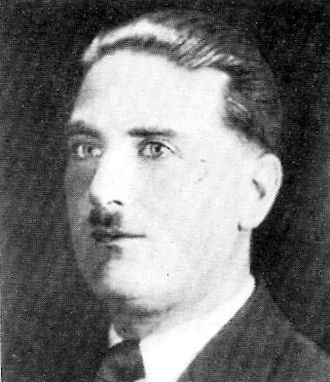
Lizzie Borden is one of the most infamous figures in American true crime history. Her name has become forever linked to the brutal slayings of her father and stepmother in the quiet town of Fall River, Massachusetts, in 1892. What made the case especially horrifying was the manner of the killings—two vicious axe murders in broad daylight. Though Lizzie was later acquitted of the crime, the controversy surrounding her trial and the unanswered questions about what truly happened inside the Borden household continue to captivate true crime enthusiasts more than a century later.
The Early Life of Lizzie Borden
Born on July 19, 1860, Lizzie Andrew Borden was the youngest daughter of Andrew and Sarah Borden. Her family was a prominent one in Fall River, Massachusetts, a prosperous mill town. Despite the family’s wealth, Andrew Borden was known for his frugality, and Lizzie and her older sister Emma grew up in a relatively modest home.
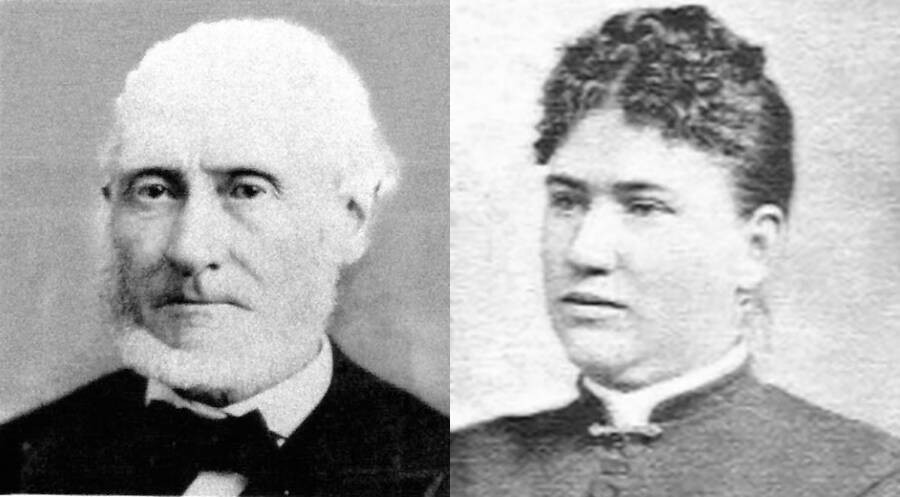
Tragedy struck the Borden family early when Lizzie’s mother, Sarah, died when Lizzie was just two years old. Andrew remarried three years later, to Abby Durfee Gray, a union that would later prove to be a source of contention in the Borden household. Lizzie and Emma reportedly had a strained relationship with their stepmother, whom they believed was after the family’s money. The tension in the home was palpable, with the sisters feeling increasingly alienated and isolated from both their father and stepmother.
Lizzie lived a quiet life in Fall River and was active in the local community, attending church and participating in charity work. However, beneath the veneer of respectability, rumors circulated about ongoing discord within the Borden family.
The Horrific Murders
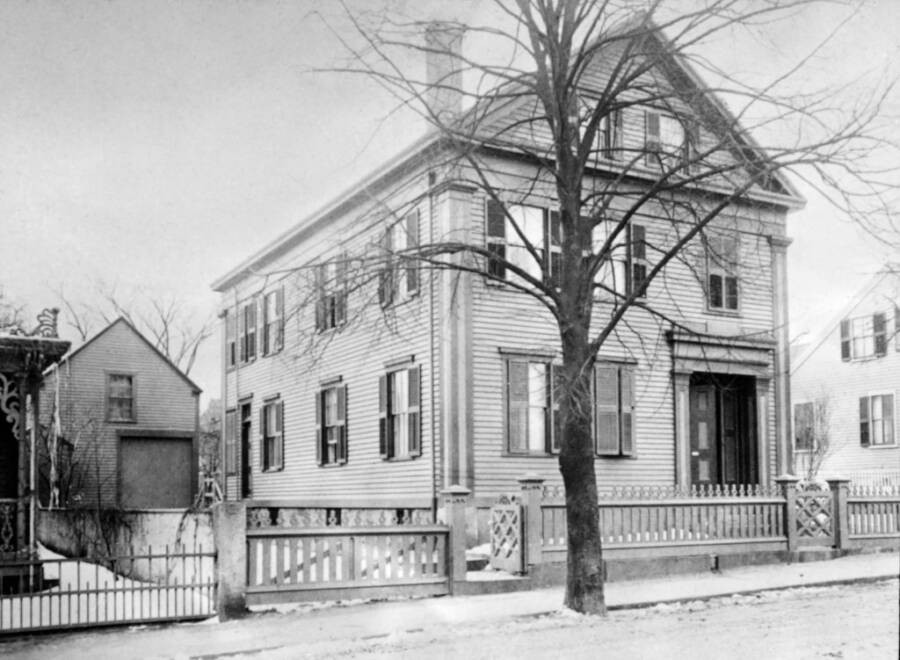
The calm, if tense, domestic routine of the Borden family was shattered on August 4, 1892, when Andrew and Abby Borden were found murdered in their home. Abby was the first victim, attacked while she was upstairs in a guest bedroom. She was struck 18 times with what was presumed to be a hatchet or small axe. The force of the blows crushed her skull, killing her almost instantly.
An hour and a half later, Andrew Borden returned home from a walk. Shortly after his arrival, he, too, was savagely attacked while resting on the sofa in the sitting room. He was struck 11 times in the head with the same weapon, leaving his face horribly disfigured.
Lizzie was the one to alert the maid, Bridget Sullivan, to her father’s body. However, her behavior during the immediate aftermath of the murders raised suspicions. Lizzie claimed she had been in the barn at the time of the killings, looking for fishing sinkers, yet her story had numerous inconsistencies. Investigators also found it strange that there was no blood on Lizzie, despite the brutal nature of the crime and the close proximity of the blows.

The Investigation
As the primary suspect, Lizzie quickly became the focus of the investigation. Bridget Sullivan, the maid, who was also home at the time of the murders, was not considered a strong suspect. The attention remained squarely on Lizzie, particularly after she was seen burning a dress just days after the murders. Lizzie claimed that the dress had been stained with paint, but investigators suspected it was an attempt to destroy evidence.
Other pieces of circumstantial evidence added to the suspicion surrounding Lizzie. For example, the Borden family had suffered from bouts of illness in the days leading up to the murders, leading some to wonder whether poison might have been involved. Lizzie had also attempted to purchase prussic acid, a type of poison, from a local pharmacy shortly before the murders, though she was refused.
On August 11, 1892, Lizzie Borden was arrested and charged with the murders of her father and stepmother. Despite the lack of direct evidence linking her to the crime, the peculiar circumstances and Lizzie’s behavior made her the prime suspect in the eyes of the police.
The Trial of Lizzie Borden
Lizzie Borden’s trial began on June 5, 1893, and it quickly became one of the most sensationalized court cases in American history. The gruesome details of the murders, combined with Lizzie’s status as a prominent churchgoing woman, drew massive attention from the press and the public alike. The trial was held in New Bedford, Massachusetts, and lasted for over two weeks.
One of the most striking aspects of the trial was the lack of physical evidence connecting Lizzie to the crime. No murder weapon was definitively identified, and none of Lizzie’s clothing was found to have any traces of blood. Although the prosecution attempted to point to her inconsistent statements and the burning of the dress as evidence of her guilt, these claims were not enough to convince the jury.
Another crucial moment in the trial came when the judge ruled that Lizzie’s inquest testimony, where she had given conflicting and sometimes confusing accounts of her whereabouts on the day of the murders, would not be admissible in court. Without this key piece of evidence, the prosecution’s case against Lizzie was weakened significantly.
On June 20, 1893, after only 90 minutes of deliberation, the jury returned with a verdict of not guilty. Lizzie was acquitted of all charges, and she walked out of the courtroom a free woman.
Life After the Acquittal
Despite being acquitted, Lizzie Borden was never able to escape the stigma of the trial. Public opinion remained divided, with many people believing that she had, in fact, committed the murders but had been acquitted due to her social standing and wealth. Lizzie and her sister Emma, who had supported her throughout the trial, moved into a large house they named “Maplecroft” in Fall River.
The sisters lived together for many years, though they eventually grew apart. In 1905, Emma left Maplecroft under mysterious circumstances, and the two sisters reportedly never spoke again.
Lizzie lived out the remainder of her life quietly, avoiding the spotlight as much as possible. She passed away on June 1, 1927, at the age of 66. To this day, the case remains unsolved, with some theorists suggesting that Lizzie may have been innocent after all, and others pointing to alternative suspects such as Bridget Sullivan or even Emma Borden.
Legacy and Theories
The Lizzie Borden case has fascinated generations of true crime enthusiasts, historians, and writers. The mystery of who killed Andrew and Abby Borden, and why, has never been definitively answered. Many theories have emerged over the years, with some suggesting that Lizzie suffered from a mental illness that drove her to commit the murders, while others believe that someone else in the household was responsible. Bridget Sullivan, the maid, has also been a subject of speculation, with some suggesting that she may have been complicit or even directly involved.
In the end, the true story of what happened in the Borden home on August 4, 1892, may never be known. What is certain, however, is that Lizzie Borden has earned a permanent place in the annals of American true crime. Her trial, the subsequent media frenzy, and the enduring mystery of the axe murders continue to captivate audiences around the world.
Books
| Title | Author | ISBN Number |
|---|---|---|
| Lizzie Borden: A Case Book of Family and Crime in the 1890s | Joyce G. Williams | 978-0879722460 |
| Forty Whacks: New Evidence in the Life and Legend of Lizzie Borden | David Kent | 978-0879721982 |
| The Lizzie Borden Sourcebook | David Kent | 978-1558492272 |