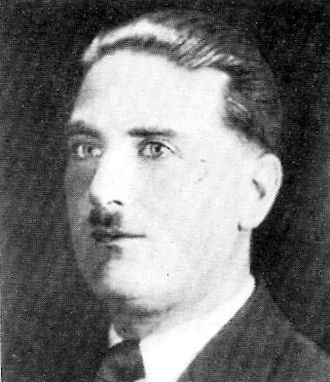
Key Highlights
- Walter Sage was a famous gangster in New York during the 1930s. He became known for being very violent.
- He helped start and run Murder, Inc., a group of hitmen for organized crime.
- Sage was part of murder, extortion, and took control of many gambling rackets.
- He had close ties with Louis “Lepke” Buchalter, but he also had a strong rivalry with Dutch Schultz.
- A betrayal from his own group led to Sage’s death in 1937. This marked the beginning of the decline of Murder, Inc.
- Sage’s life and death show how dangerous organized crime was in the Prohibition Era.
Introduction
The Prohibition Era in the United States lasted from 1920 to 1933. During this time, organized crime grew a lot. Criminal groups wanted to control the illegal liquor trade in Chicago. This made famous names like Al Capone and Lucky Luciano well-known. However, there was another dangerous person named Walter Sage. He operated in the background. Sage was very violent and played a big role in the rise of Murder, Inc. He spread fear in New York and other places.
The Rise of Walter Sage in the Underworld
Walter Sage started his life of crime in New York City, mostly in Brooklyn. We don’t know a lot about his early years. Many think he moved to the United States from Russia with his family when he was young. He soon became part of street gangs on the Lower East Side. There, he earned a reputation for being strong and ready to use violence.
Sage was good at making people feel scared and respected at the same time. This skill drew the attention of strong figures in the underworld. Soon, he became deeply involved in organized crime. He moved up the ranks fast and gained a lot of power.
Early Life and Entry into Organized Crime
Walter Sage was born in Russia in the late 1800s. When he was a child, his family moved to New York. They settled in the busy Lower East Side. This lively area had a big impact on his future. Not much information is available about his family or his early life. This could suggest that he worked hard to keep his past hidden.
Prohibition began in 1920 and brought many changes. A lot of people wanted to drink illegal liquor. This created opportunities for clever gangsters like Sage to make money from the illegal alcohol market. He joined the bootlegging business and used intimidation to keep his power.
Sage had a daring way of dealing with the law. His tough skills grabbed the attention of people in the New York underworld. His aggressive actions and knack for using force helped him rise from being a petty thief to a big name in crime groups in New York City. This was the start of his criminal life.
The Formation of Murder, Inc.
As the 1920s went on, organized crime in the United States changed. Prohibition brought different gangs together, including the Mafia. This led to the rise of a national crime syndicate. The goal of this group was to control violence and keep order among its members. To do this, they needed a strong team to enforce their rules. This is how Murder Incorporated, or Murder, Inc., was formed.
This well-known group of hitmen mostly operated in New York City. They carried out killings for the syndicate across the United States. Many people viewed Murder, Inc. as a separate team. They took jobs from the syndicate and other clients. Their way of working was fast, and they treated killing like a regular job.
Walter Sage played an important role in Murder, Inc. He had a reliable group of killers with him. One of them was the well-known Abe “Kid Twist” Reles. Reles would later help lead to Sage’s downfall.
Major Crimes and Operations
Walter Sage was well-known in the world of crime. He earned a lot of money through extortion. He also controlled several gambling rackets in New York. Many other crimes were connected to him, which caused fear and issues in the city.
He was feared by many people. He was connected to several murders known as the “Ice-Pick Murders.” These killings were very brutal, using a special weapon. They showed how cold and careful Sage was when he committed these crimes.
The Ice-Pick Murders
In the early 1930s, people in New York were really scared. News about the “Ice-Pick Murders” spread quickly. A group called Murder, Inc., led by Walter Sage, was behind these killings. They were very skilled at what they did. The killers used ice picks and often stabbed their victims through the ear or eye socket. This way of killing left very little blood, which made it hard for people to identify the victims.
These murders had many goals. They wanted to scare away anyone who could be a rival. They hoped everyone would notice what happened to those against Sage or the syndicate. They killed quickly and quietly, usually with an ice pick. A killer named Abe “Kid Twist” Reles did many of these murders. He may have appeared small and harmless, but he was very dangerous.
Sage’s role in these murders was hard to prove in court. Many who tried to investigate ended up dead. The Ice-Pick Murders show just how brutal Sage really was. They also bring attention to the big problem of organized crime during the Prohibition Era.
Extortion and the Gambling Rackets
Walter Sage was involved in many illegal activities in New York City. He did more than just contract killings. A lot of what he did was extortion. He understood that fear made people pay attention to him. He used this fear to make money. Sage went after various kinds of businesses. He targeted legal places like restaurants and nightclubs. He also went after illegal businesses in his crime world.
Sage made money through gambling. He ran illegal casinos, card games, and rackets. People in his area had to give him a big part of their earnings. This was known as a “street tax” for protection. Those who didn’t pay soon found out what could happen. They often faced violence.
Sage held his rackets tightly. This helped him make a lot of money. However, it also brought him unwanted attention. He was tough on anyone who tried to trick him or act without his permission. Because of this, he became well-known in the city’s underworld.
Conflict with Rival Gangs
The world of organized crime is risky. Walter Sage wanted to succeed and grew very powerful. He often got into fights with other major gangsters. His biggest rival was Dutch Schultz. Schultz was a strong gangster who controlled New York well.
Sage and Schultz fought over control of gambling and bootlegging. They frequently got into big arguments, which sometimes turned into violent shootouts. This caused many people in New York to feel afraid. Rumors spread that the National Crime Syndicate wanted to kill Schultz. A lot of people thought Sage would be the one to do it.
Sage faced more problems than just his rival. He also had trouble with famous gangsters, like Bugsy Siegel. This highlights how dangerous and unstable the underworld was for him. To feel secure, he needed to make new friends and get rid of his enemies.
Allies and Enemies Within the Mob
Walter Sage lived in a dangerous world of organized crime. He had to make friends and rivals. Walter was both smart and tough. He knew how to handle friends and enemies. A close friend of his was Louis “Lepke” Buchalter. Lepke was a strong leader of Murder, Inc. Together, they made a powerful team that scared the people of New York.
Trust was hard to come by, even in the dark parts of the underworld. Sage was very focused and strict. Many people saw him as a target because of this. Their jealousy led them to think about betraying him. In the end, this brought about his quick downfall.
Sage’s Relationship with Louis “Lepke” Buchalter
Walter Sage had a tough and complicated relationship with Louis “Lepke” Buchalter. Lepke was the head of Murder, Inc. and held a lot of power in the syndicate. He was in charge of secret operations. Sage was one of Lepke’s best hitmen. This job gave Sage a kind of freedom and influence that few others had.
Lepke and Sage looked like a good team at first. However, there was a lot of distrust between them. They both wanted to be the best. Lepke was calm and smart. He believed Sage was a good partner. Still, he worried that Sage’s drive could be risky. They moved carefully in their shared underworld. They understood how tough each could be.
Lepke and Sage made a good team, even during tough times. Lepke counted on Sage’s strength to maintain order in the syndicate. At the same time, Sage needed Lepke’s influence to boost his power. Sadly, this careful balance did not last. It fell apart due to betrayal.
Rivalry with Dutch Schultz
Walter Sage and Dutch Schultz were fierce competitors. Schultz was a well-known gangster in New York. He had a quick temper and sought more power. Their rivalry began because they both wanted to take charge of various activities. Bootlegging and gambling were their primary sources of income.
The fight for power moved to the streets of New York. This led to several violent gun battles and many deaths among the groups. Tensions increased when the National Crime Syndicate aimed to take down the dangerous Schultz. They planned to have him killed. Walter Sage was viewed as the best choice for this job.
The details about Schultz’s murder in 1935 are still unclear. Many believe Sage played a big role in it. This event made Sage famous, but it also put him at risk. It created a wish for revenge that led to his downfall.
Connections to Law Enforcement and Politicians
As Walter Sage grew more powerful, he formed important relationships. He knew, like many well-known gangsters, that he needed help from police and politicians. To keep his illegal work going well, he paid them off. Because of this, the police often looked the other way when it came to his bold actions.
Corruption was widespread in the United States. It affected many parts of local and national government. Organized crime groups took advantage of this. They used their illegal money to influence elections, support favorable laws, and silence anyone who disagreed. Sage was skilled in this as well. He approached it with the same determination he had in his crime activities.
Judges appeared to feel the pressure. Police reports seemed to go missing. Witnesses just vanished. It looked like Sage was being protected by those whose job is to enforce the law. It felt very hard to reach Sage. However, this sense of being untouchable would not last forever.
Downfall and Assassination
By the 1930s, Walter Sage looked like he could not be stopped. He got his power from using violence. This violence led to even more violence over time. Sage did not see that betrayal usually comes from those who are closest to you.
Sage’s followers from Murder, Inc. betrayed him in an unexpected way. The betrayal happened quickly and was a harsh one. This led to a shocking murder that took Sage’s life. Because of this, a huge gap showed up in New York’s underworld. This moment marked the start of the decline of Murder, Inc.
The Betrayal
Abe “Kid Twist” Reles played a major role in Walter Sage’s downfall. Reles was a close friend of Sage and worked as a hitman. In order to get a shorter sentence from the police, Reles decided to cooperate with them. He provided details about the people he had worked with.
Reles knew a lot about how Murder, Inc. operated. He remembered many details clearly. He shared useful information with the police. This connected Sage and other big mobsters to several murders, extortion, and more crimes. His sudden betrayal shocked the underworld. It altered how criminals viewed loyalty and honor.
Sage felt sad and disappointed. Someone he trusted had tricked him, and it really hurt. This wasn’t just shameful; it felt like a personal attack. He thought that death was close. It seemed like someone had planned this, and he didn’t see any way to escape.
The Assassination on White Lake
On an important night in 1937, Walter Sage’s fear came to an end. He was taken to a meeting in a quiet bungalow area near New York’s White Lake. While people chatted about a business deal, it was really a carefully planned trap.
Sage was taking it easy and had no idea that trouble was close by. A gang of gunmen, thought to be sent by Lepke, burst into the bungalow. They aimed to capture the mobster before the police could find him. Gunshots rang out, and Sage, who normally felt secure, was struck several times. This all took place when he let his guard down.
His body was found the next morning. This shown the harsh truth of life in organized crime. News of his murder spread fast across New York City and further. This meant a change in power inside organized crime. It also marked the start of the end for Murder, Inc.
Aftermath and Impact on Organized Crime
Walter Sage’s murder changed organized crime in the United States. The crime groups planned his death. It shocked the underworld. This showed that even strong crime leaders could be betrayed by those close to them.
Sage’s death made things hard for Murder, Inc. The police got curious when Abe Reles spoke out. This strong group began to fall apart. Lepke was caught and executed. Other members had the same fate or just disappeared.
Murder, Inc. might not be active anymore, but we still face issues with organized crime. Sage’s history of violence shows just how much corruption and crime were present in America during the 20th century. Sadly, this problem is still around today.
Walter Sage’s Legacy
Walter Sage was a scary figure in organized crime, but his time at the top was short. He began as an unknown person in New York. Before long, he became one of the most feared gangsters in the city. His name was linked to violence and toughness.
Sage is well known, but many details about his life remain unknown. His story shows a scary part of America in the 1930s. At that time, Prohibition made it easier for strong crime groups to rise. The police had a tough time controlling these groups.
Influence on Pop Culture and Media
The excitement of organized crime and its daring people has grabbed attention for a long time. Walter Sage is a perfect example of this, even with his hard past. His life ended in violence and was filled with betrayal, showing a strong wish for success. This story has inspired many movies and books in Hollywood. The tale of Walter Sage intertwines with the dark underworld of crime during a time when figures like Alvin Karpis and his gang dominated headlines. Known for their ruthless actions and relentless pursuit of power, their exploits set the stage for stories of ambition, greed, and betrayal. Sage’s tragic end serves as a haunting reminder of the perils that come with living on the edge of the law.
Sage’s story is not as well-known as Al Capone’s or Lucky Luciano’s. Still, it has appeared in several films. A great example is the movie “Murder, Inc.” (1960). This film is about Sage but also shows many ideas from the group he was in and their violent actions.
Sage’s life grabs the attention of people who are interested in the hard truth of organized crime. You can find his impact in many forms of media. His story serves as a reminder of a tough time in American history. As long as people are curious about the underworld, the story of Walter Sage will probably continue.
The Continuation of Murder, Inc.
Murder, Inc. did not disappear quickly, even after key leaders like Walter Sage and Lepke Buchalter were gone. This criminal organization was like a hydra from the old Greek stories. It could adjust and transform to match new situations. New leaders stepped up to take back the power and control that the old leaders once had.
The world of organized crime changed. Law enforcement began to see how powerful and dangerous Murder, Inc. was. They acted quickly to stop them. A group that once looked unstoppable now had to watch out for itself.
Murder, Inc. is gone, but there are smaller groups that are still active. They follow the powerful methods of Sage and his group. This proves that organized crime can keep going, even when there is strong resistance.
Lessons Learned by Law Enforcement
The story of Walter Sage and Murder, Inc. taught police in the United States important lessons. It showed that corruption was common in society during the Prohibition era and even after. It was clear that organized crime relied on support from people who were meant to enforce the laws.
To fight organized crime, we had to do several things. First, we needed to address gambling and narcotics. Next, we had to work on stopping corruption in the police and government. It was important to set up federal agencies like the FBI. These agencies focus on investigating and breaking down organized crime groups.
The fight against organized crime goes on. Many people have worked hard, but groups like Murder, Inc. keep finding new tricks. They know how to use weak spots to their advantage. Sage’s story shows the difficult job that police face in this changing world of crime.
Conclusion
Walter Sage’s life is filled with power, betrayal, and crime. Many people find his past interesting, and it still impacts organized crime today. Sage was a part of Murder, Inc. and took part in serious crimes and battles with other gangs. This led to a dark chapter in our history. His story teaches us about the results of crime. What he did and who he knew changed organized crime forever. The famous life of Walter Sage continues to catch attention and affects pop culture and police strategies today.
Frequently Asked Questions
Who was Walter Sage?
Walter Sage was a tough gangster from New York. He became famous in the 1930s. Sage was part of a group called Murder, Inc. This group was involved in organized crime and did contract killings. His strong desire for power helped him rise in the underworld. However, in the end, he faced betrayal.
What was Murder, Inc., and what role did Sage play in it?
Murder, Inc. was a group of killers linked to organized crime in the 1930s. A key member of this group was Sage. He was involved in many murders and was well-known for carrying out the orders of the syndicate.
How did Walter Sage die?
Walter Sage was killed in 1937. The people around him were not honest about it. A gunman shot him during a meeting in New York, at White Lake. This shooting marked the beginning of the fall of his empire.
How has Sage’s legacy influenced modern organized crime?
Sage’s story may not directly impact us. However, it reveals how powerful and wide-ranging organized crime can be. It gives us insight into how today’s criminal groups operate. By looking at the past, we can learn about the methods they employ.
Are there any films or books about Walter Sage?
Walter Sage’s life doesn’t appear in any well-known movies or books. However, his story has influenced many gangster films and stories. Because of his life, people have shown more interest in organized crime.
What were the major crimes attributed to Walter Sage?
Walter Sage was linked to several crimes. He is known for the “Ice-Pick Murders.” In addition, he took part in extortion. He also ran several illegal gambling rackets in New York City.
How did Sage’s actions impact the structure of organized crime in the United States?
Sage’s actions and the fall of Murder, Inc. changed organized crime a lot. They showed some weak spots that law enforcement saw. Because of this, crime groups started to be more secretive.